Programming Languages
What Is A Programming Language?
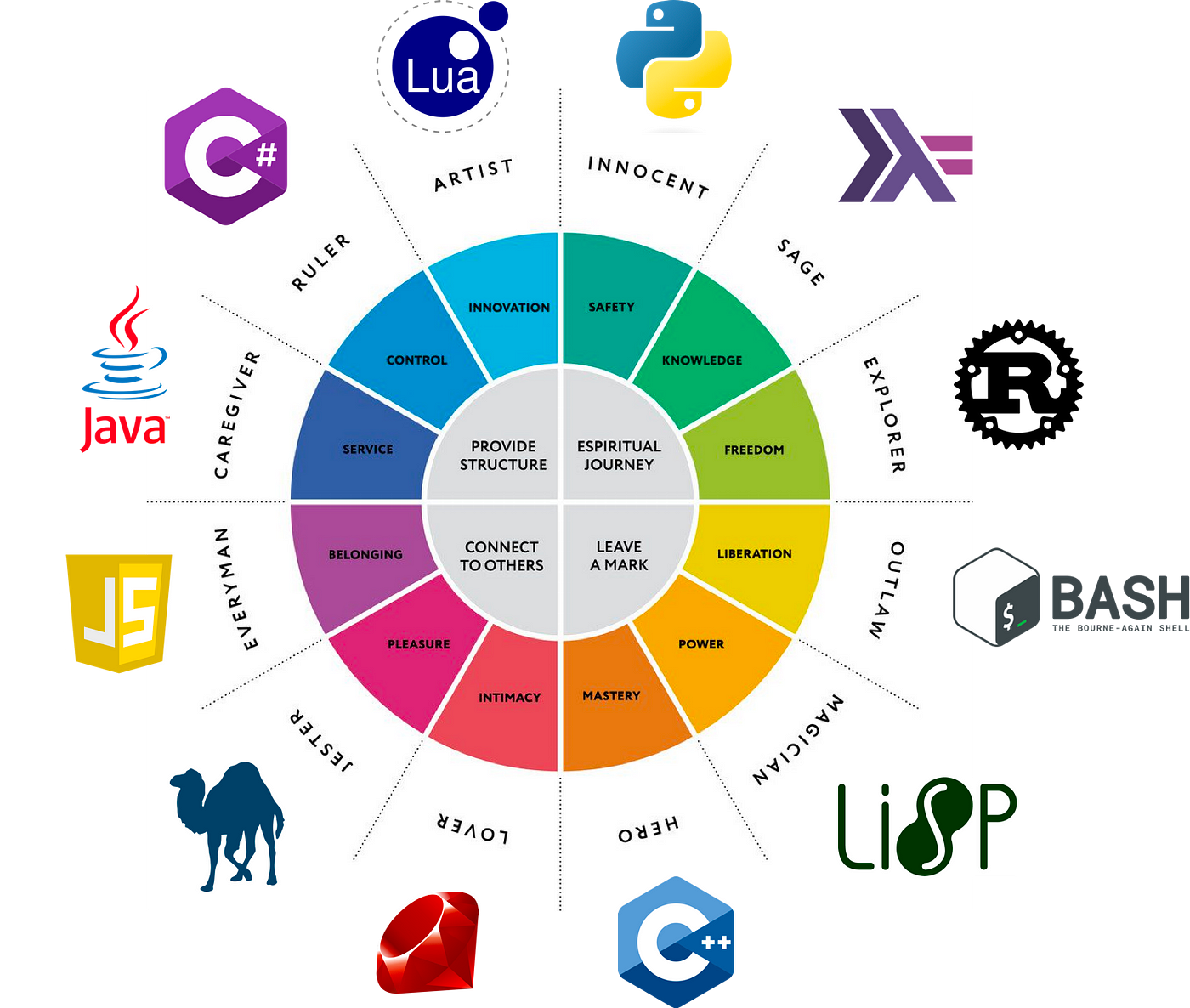
A programming language is a set of instructions written by a programmer to deliver instructions to the computer to perform and accomplish a task. This set of instructions is usually viewed as incomprehensible code structured following a definite programming language syntax.
Programming languages are mainly differentiated into two categories: high and low. Languages are categorised into these two categories based on their human level of understanding.
What Is The Difference Between Low-Level Programming Languages And High-Level Programming Languages?
Level of Understanding
Ease of Debugging
Memory Efficient
Compatibility
Translation
Usage
- JAVASCRIPT
- PYTHON
- JAVA
- PHP
- C and C++
- HTML
- CSS
High-level programming languages can be easily understood and interpreted by people. In contrast, low-level programming languages are quite challenging to interpret and more machine friendly than human-friendly.
In terms of understanding and debugging flexibility, high-level programming language wins since the code is easy to interpret, and the programmer can easily solve the errors in a code. However, considering the complexity of low-level programming languages, detecting the errors and their source can be hard.
However, low-level programming languages are memory efficient, which means programs excite faster using low-level languages. Compared to them, high-level languages are quite slow in terms of program execution.
High-level programming languages are cross-platform, so you can work and execute the code on any platform. However, low-level programming languages are machine-dependent so that the code can be run only on a specific platform.
Programming languages are a set of instructions provided to a machine and converted to machine-readable code. In this case, high-level programming languages use an interpreter to translate the code, while low-level languages use an assembler.
Due to their simplicity and platform agnostic ability, high-level programming languages are prevalently preferred and used in developing software. However, low-level languages, though still in use, are scarce.